
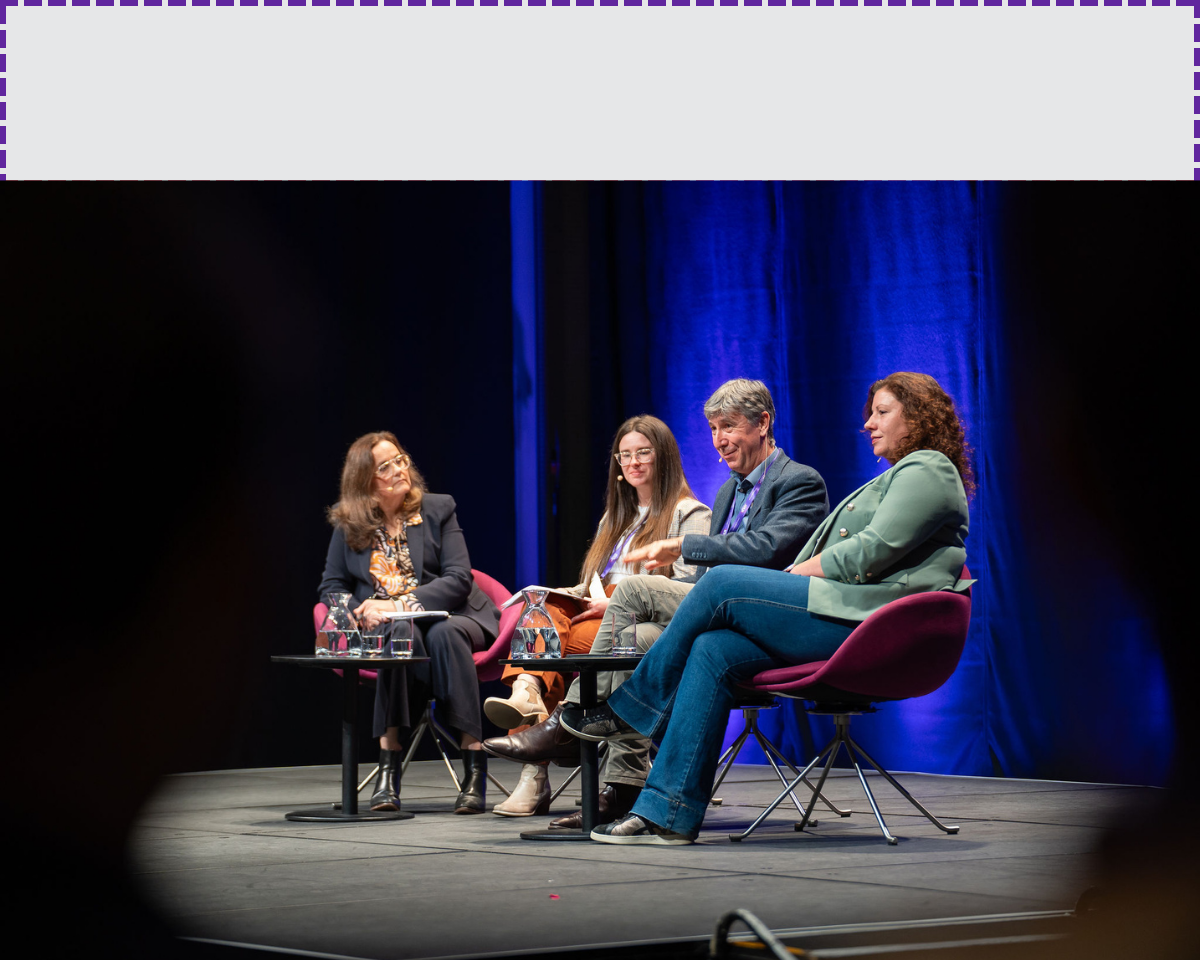
Meet the speakers: the people deploying AI on the homelessness frontline
27 Jul 2026
Demand for homelessness services keeps outpacing supply, with workforce shortages, high caseloads, and limited after-hours capacity stretching the sector thin. AI offers real opportunities to close these gaps, and some services are already deploying it to extend reach and build capability. But the sector is moving without a shared framework or evidence base. This session brings frontline service innovators together to map out responsible, effective implementation.
The ex-air force pilot now using tech to teach kids at risk of homelessness how to adult
Jason Juretic is CEO of Stepping Stone House, a non-profit organisation that provides accommodation and personal development for young people who are experiencing or at risk of homelessness.
His career has taken him from flying jets for the Royal Air Force to counter-terrorism work.
However, it is the experience of co-founding an IT company that grew to 250 staff that he will draw on most, as he presents on how Stepping Stone House is using tech to teach young people life skills.
Partnering with Adobe, Stepping Stone House built My Skills 4 Life – an online learning platform that has grown to cover 816 everyday life skills ranging from how to calm yourself using mindfulness, to how to change a tyre.
“Child and youth homelessness is often framed as a housing crisis with long-term consequences for wellbeing and stability,” Mr Juretic says. “What's less visible is the missed opportunity to build everyday capabilities and create an advantage for youth experiencing homelessness.”
Titled From youth homelessness to adult exclusion: rethinking prevention through capability, Mr Juretic’s presentation will examine the potential, and the risks, of digital-only approaches.
“An early assumption was a digital delivery model for life skills education would increase accessibility, quality of information and independence. In practice, this approach proved insufficient and, for some participants, counterproductive,” he says.
“Digital-only delivery amplified existing exclusion, cognitive overload and disengagement.”
The fix, as Mr Juretic will share, was pairing digital learning with support from a human youth worker ideally with an enduring relationship.
He will also speak about how AI agents are helping with prepopulating forms, saving case workers 5 hours a week – time that can be used to enrich relationships.
The youth worker who built an AI wombat to help those facing homelessness
Lenka Brazda is Program Manager for Youth Services & Innovation at Wombat Housing Support Services and the proud creator of WomBot — a furry, four-legged AI chatbot helping people at risk of homelessness understand their housing options, rights, and available services.
Miss Brazda has 20 years’ experience in the sector, but no formal tech background, and her talk will impart important lessons for any operator considering dipping their toe into AI.
“My experience shows you don’t need coding experience or a background in tech to harness the potential of AI,” she says.
“The key is to start small and build up. WomBot began as an online referral form, before becoming a scripted bot, and eventually evolving into the AI-powered version launched in October 2024."
Miss Brazda says the sector doesn’t use technology as much as it could or should.
Her presentation, WomBot: Disrupting Access Pathways Through Ethical, Frontline Led AI, will examine AI-enabled access pathways, drawing on real-world evaluation data from WomBot that will disrupt expectations about when and how people want to engage with services.
Such insights include that 64% of interactions occurred after hours, when traditional services are closed, and 85% of users engaged with WomBot before contacting a caseworker.
“With a 90% automation success rate, WomBot handled routine inquiries safely and consistently, allowing caseworkers to focus on complex needs,” Brazda says. “The data also demonstrates the value of low-pressure, self-guided digital entry points.”
Brazda will also address the importance of guardrails — WomBot only draws on the organisation's own case documents — as well as her vision for it as a digital front door to homelessness services and the emergence of little WomBot siblings across the sector.
The co-founders using AI to prepare frontline teams for high-stakes interactions
Dr Bengianni Halil-Pizzirani brings expertise in social psychology, behavioral statistics, and applied AI, while Dr James Aloni combines a research background with senior leadership experience across housing and homelessness, mental health, and out-of-home care.
Together, they co-founded synk.ai, an adaptive simulation platform that uses AI to enable frontline practitioners to rehearse complex human interactions in a safe, repeatable environment before the stakes are real.
“Frontline homelessness practitioners are expected to manage emotion, risk, ambiguity, resistance and pressure, often within a single interaction. Yet they have too few opportunities to practice what those interactions actually demand,” Dr Halil-Pizzirani says.
“Role-play and observation remain valuable, but they are difficult to repeat and deliver consistently across an entire workforce. What is often missing is a rehearsal layer where practitioners can try different approaches, reflect and improve.”
The pair’s presentation, Rehearsing Complexity: Adaptive Simulations to Strengthen Workforce Capability in Homelessness and Crisis Accommodation Services, will share emerging findings from a multi-organisation pilot currently underway across homelessness, outreach, and crisis accommodation settings.
“Within the simulation, practitioners engage in open-ended interactions with fictional characters that respond dynamically to what they say and do,” Dr Aloni says.
“They receive structured strengths-based feedback on what they did well, where the interaction shifted and what they can practice next before trying again.”
The presentation will explore what the pilot is revealing about practitioner engagement and capability development. For Dr Halil-Pizzirani and Dr Aloni, AI earns its place in human services when it strengthens rather than replaces human judgement, creating more opportunities to practice the work that cannot be learned in theory.