

News
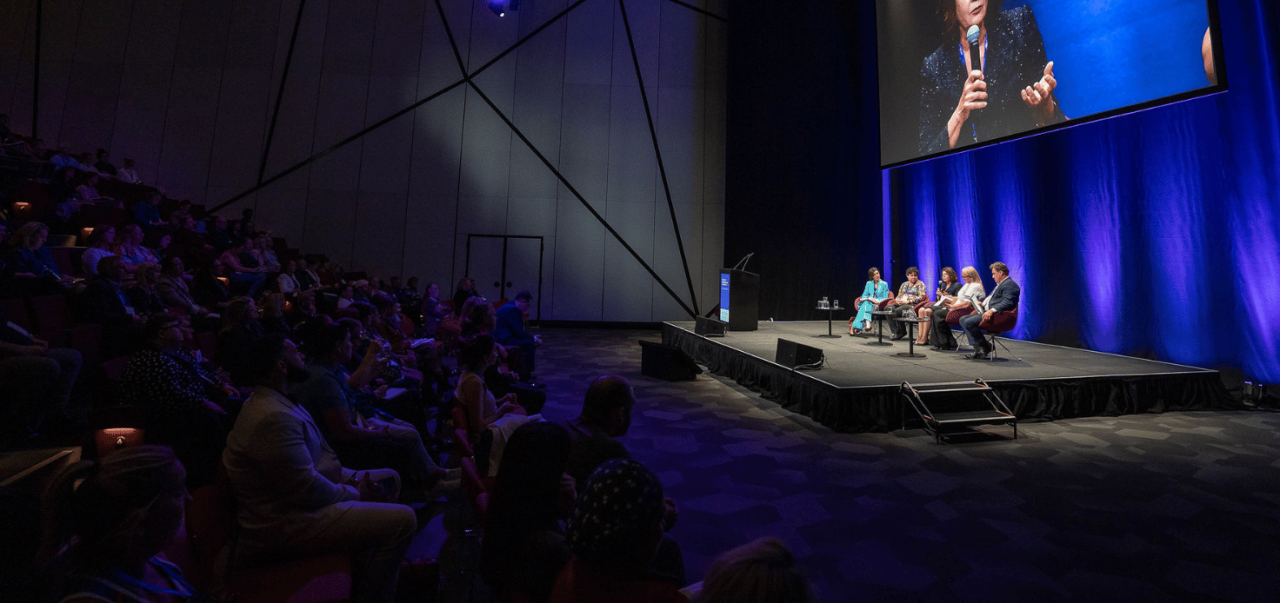
Seen and housed: building a homelessness system that works for LGBTQIA+ and gender diverse people
LGBTQIA+ and gender diverse people are significantly overrepresented among Australians experiencing homelessness, yet they remain among the least visible and most poorly served people in the system. Family rejection, discrimination and violence drive many into housing crisis, and heavily gendered, non-affirming services too often keep them from seeking help at all.
From custody to community: the housing crisis facing women leaving prison
Women are the fastest-growing cohort in Australian prisons — and for most, the sentence doesn't end at release. It continues into homelessness.
That's the confronting reality at the heart of this session which makes the case that this isn't an accident, but a predictable outcome of how housing and justice systems are designed.
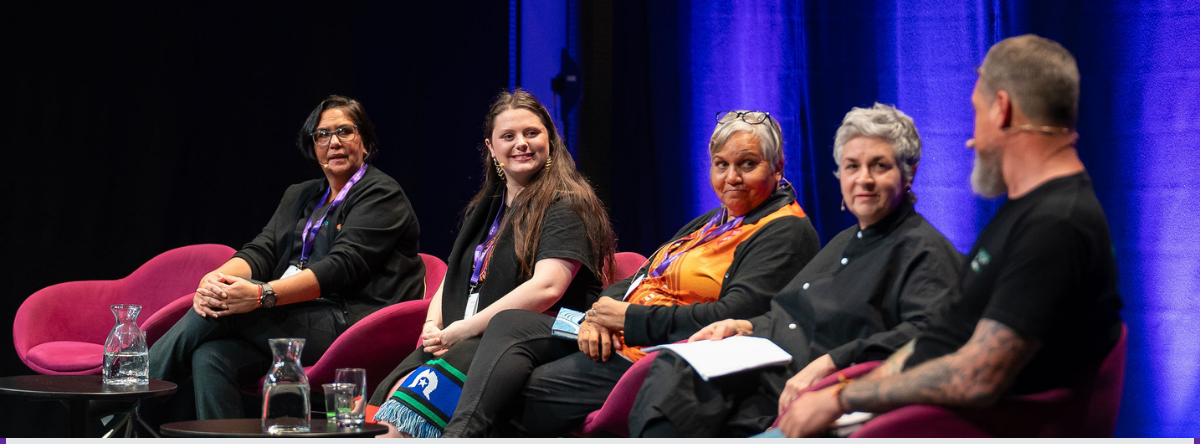
Session spotlight - When community leads: First Nations approaches to ending homelessness
When First Nations communities lead, outcomes look different. This session brings together four practitioners from across Australia to share models that are already changing what's possible — from breaking the revolving door of crisis accommodation in the Northern Territory, to building housing capability in the Pilbara, to reframing what a wellbeing-led response looks like in metropolitan Melbourne.
Session spotlight - People first: building a workforce that can go the distance
Working in homelessness services is challenging. Demand keeps outstripping resourcing, frontline workers are increasingly expected to respond to trauma, family violence and co-occurring mental health and AOD needs, and too often the sector's own solutions — practice frameworks, models of care, training packages — are launched with good intentions and then left on the shelf. This session brings together research, workforce data and implementation experience to ask what it will actually take to build a workforce that can go the distance.
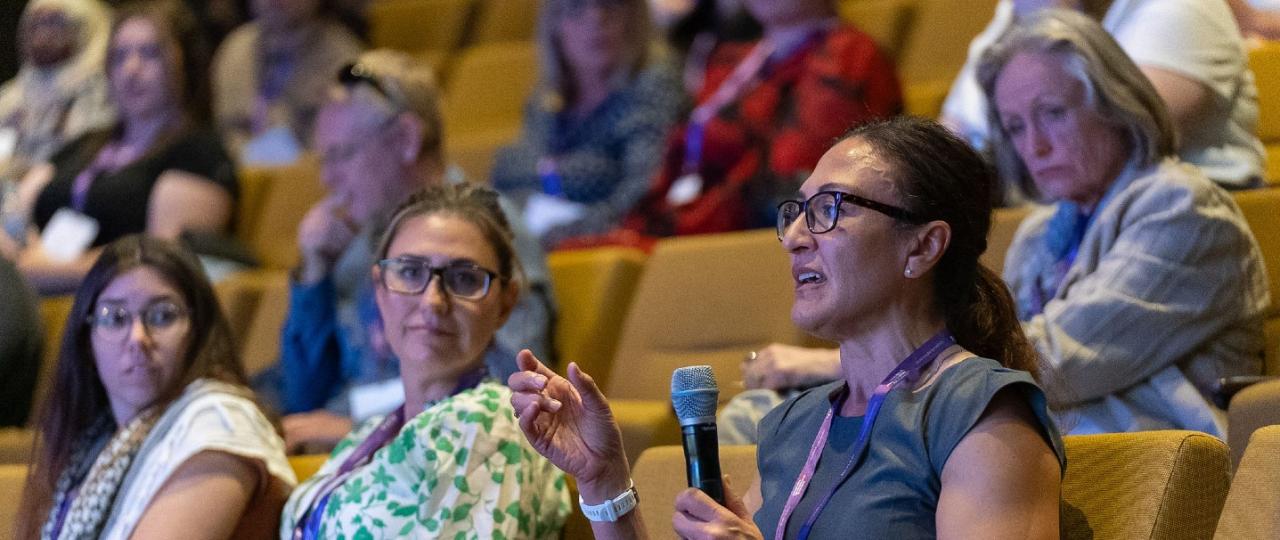
Session spotlight – Safe and housed: women, violence and homelessness
Family and domestic violence is the leading cause of homelessness for women and children in Australia. Rising rents, low vacancy rates and the decline of social housing stock mean that women leaving violence face a private rental market that is largely inaccessible, and a social housing waitlist that can stretch for years.