
Changing the narrative: the ideas set to reshape homelessness responses
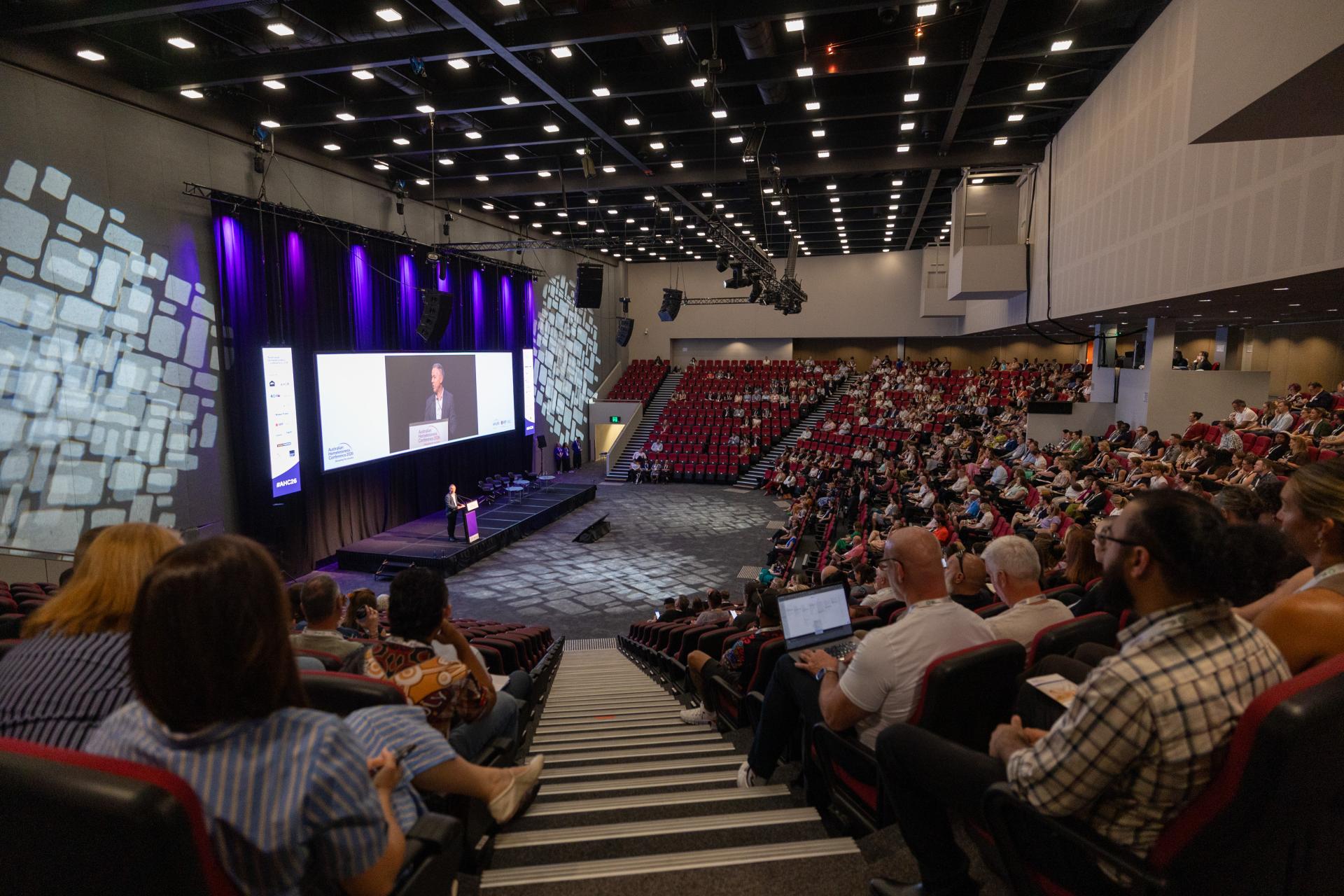
More than 700 delegates from government, not-for-profit and the wider homelessness sector gathered in Darwin, on Larrakia Country, for the biennial Australian Homelessness Conference on 7–8 October 2026. Drawing on voices from across Australia, they challenged the narratives dominating homelessness, examined what needs to change, and set out practical steps to combat housing precarity.
23 Oct 2026
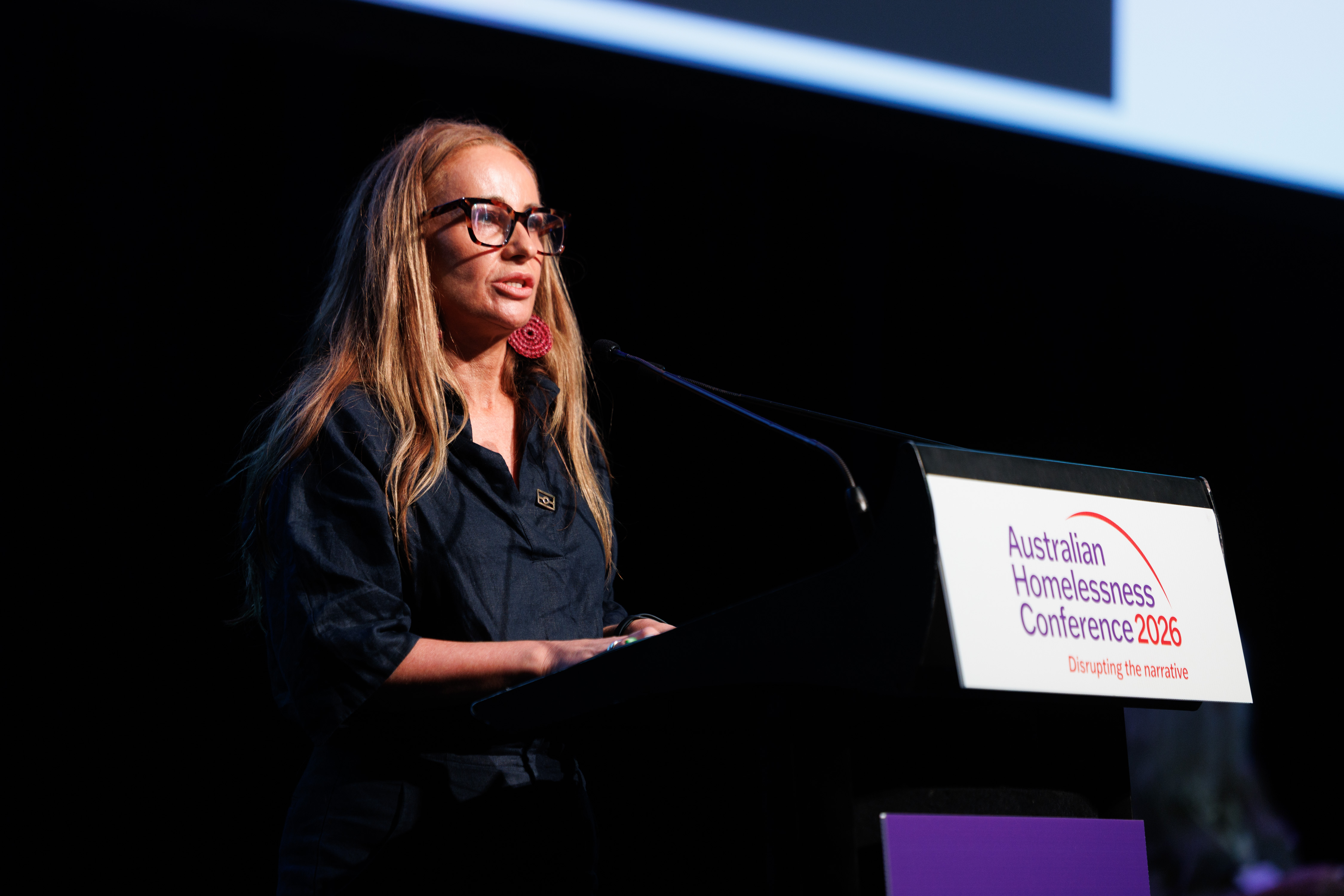 The conference opened with an address from Sue-Anne Hunter, National Commissioner for Aboriginal and Torres Strait Islander Children and Young People. The first narrative to disrupt, she said, was that when children had nowhere to sleep, it was a failing of the family.
This set up the opening plenary on First Nations perspectives on youth homelessness. Two young women, Alkira and Layla, spoke about experiencing homelessness and overcoming it. Their message: listen to young people when they tell you what they need and see their potential rather than treating them as a problem.
“One opportunity can really change the trajectory of a young person's life,” Alkira said.
Drawing on their stories, facilitator Kerry Arabena of Karabena Consulting highlighted another flawed narrative: that experiencing homelessness makes a person vulnerable.
“If you interact with people as experiencing vulnerability or disadvantage, you can work to change that experience – rather than giving them an identity as vulnerable or disadvantaged,” she said.
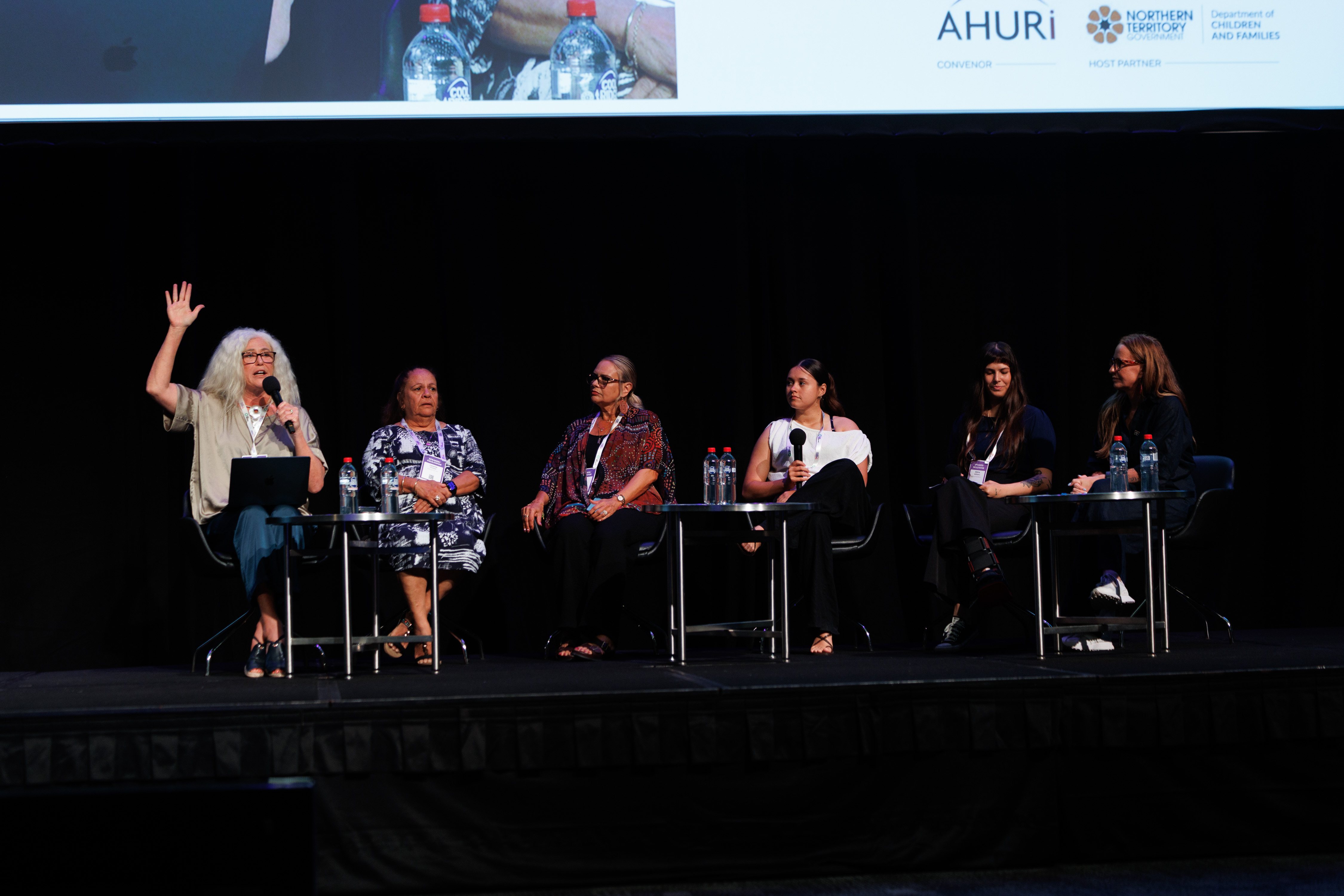 Leonie Pickett of First Nations community housing provider Noongar Mia Mia spoke about the shame that stops young people engaging with services, and the need to involve First Nations providers early.
More than 100 speakers shared their knowledge and experience across the conference's three plenaries and 26 concurrent sessions. Australia's Special Envoy for Social Housing and Homelessness, Josh Burns MP, gave an address at the beginning of day two.
The potential of technology was a recurring theme across the conference. Speakers showed how AI is teaching life skills to kids at risk of homelessness, training staff for stressful situations through simulation, and powering a wombat chatbot that offers a friendly first point of contact.
The importance of information sharing was also revisited across sessions. For example, one speaker shared how an organisation had saved an estimated $600,000 through greater data sharing and integration.
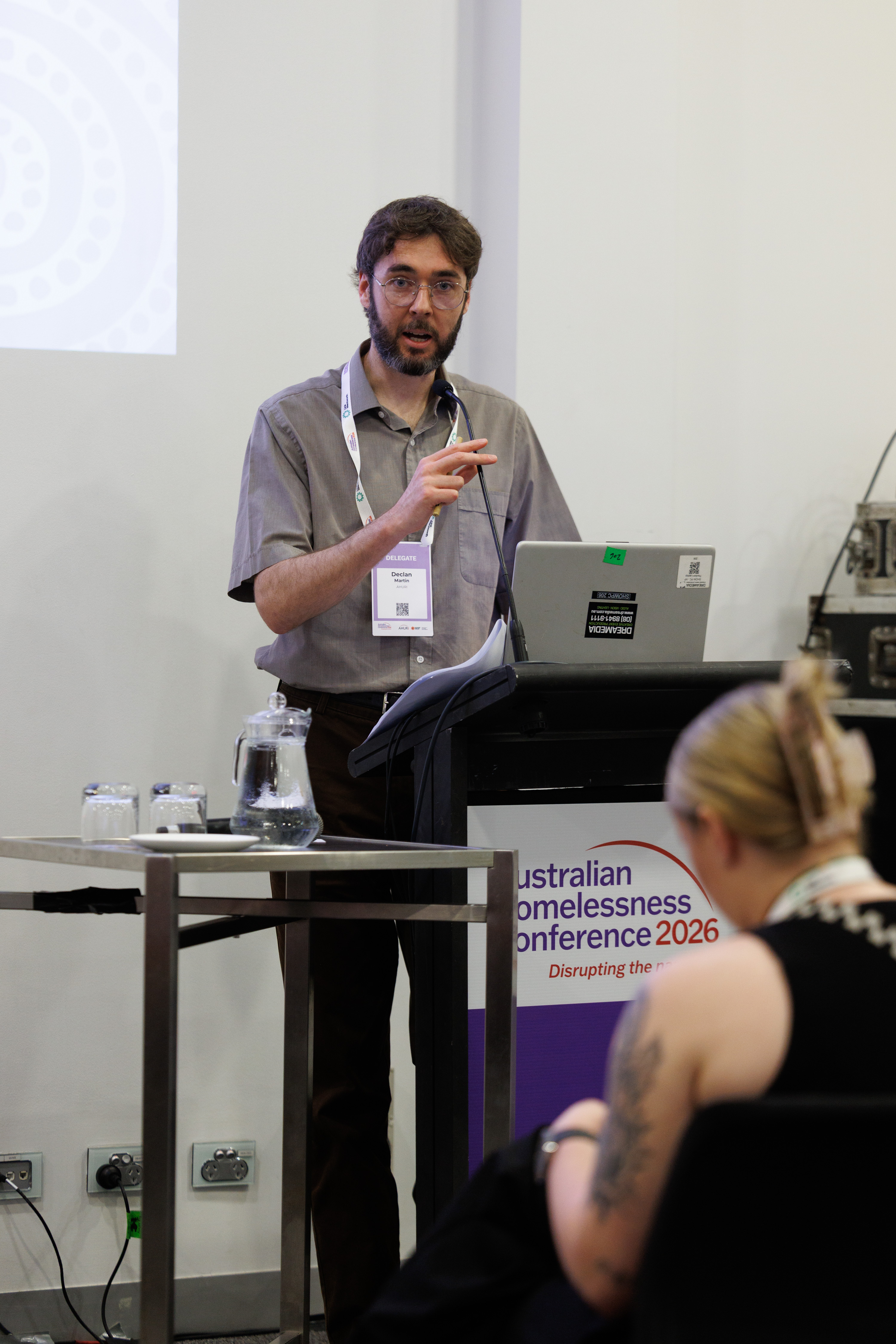 AHURI's Dr Declan Martin examined what cost-benefit analysis can and can't tell us about the costs of homelessness to government. He showed that while savings are hard to quantify accurately, avoided-cost research can highlight pathways for cross-sector collaboration. Dr Martin was one of several speakers to highlight the role of health and justice services in preventing and responding to homelessness.
Day two featured a panel on homelessness prevention, facilitated by the ABC's Natasha Mitchell. The session was recorded and is now available on demand.
Panellist Rebecca Pinkstone, Chief Executive of Homes NSW, called for new thinking and urged services to spot warning signs early, before people lost their homes.
Associate Professor Catherine Robinson (University of Tasmania) showed why early intervention matters, sharing the story of a woman who became homeless at 13 and was still struggling with housing at 55.
“At 13 there could have been an intervention, all of those years of suffering could have not happened, and all of her gifts and talents brought into the world,” she said.
Asked during the panel discussion what one thing she would change in homelessness services, Professor Kerry Arabena returned to a theme from the start of the conference: responses should begin with families.
“Supporting families to be the very best family they can be is a great way of reducing homelessness,” she said.
AHURI Acting Managing Director Tom Alves closed the conference with a panel featuring Dr Deb Batterham of Swinburne University of Technology, Chief Executive of Homelessness Australia Kate Colvin, and Aboriginal and Torres Strait Islander Housing Queensland Chief Executive Officer Neil Willmett.
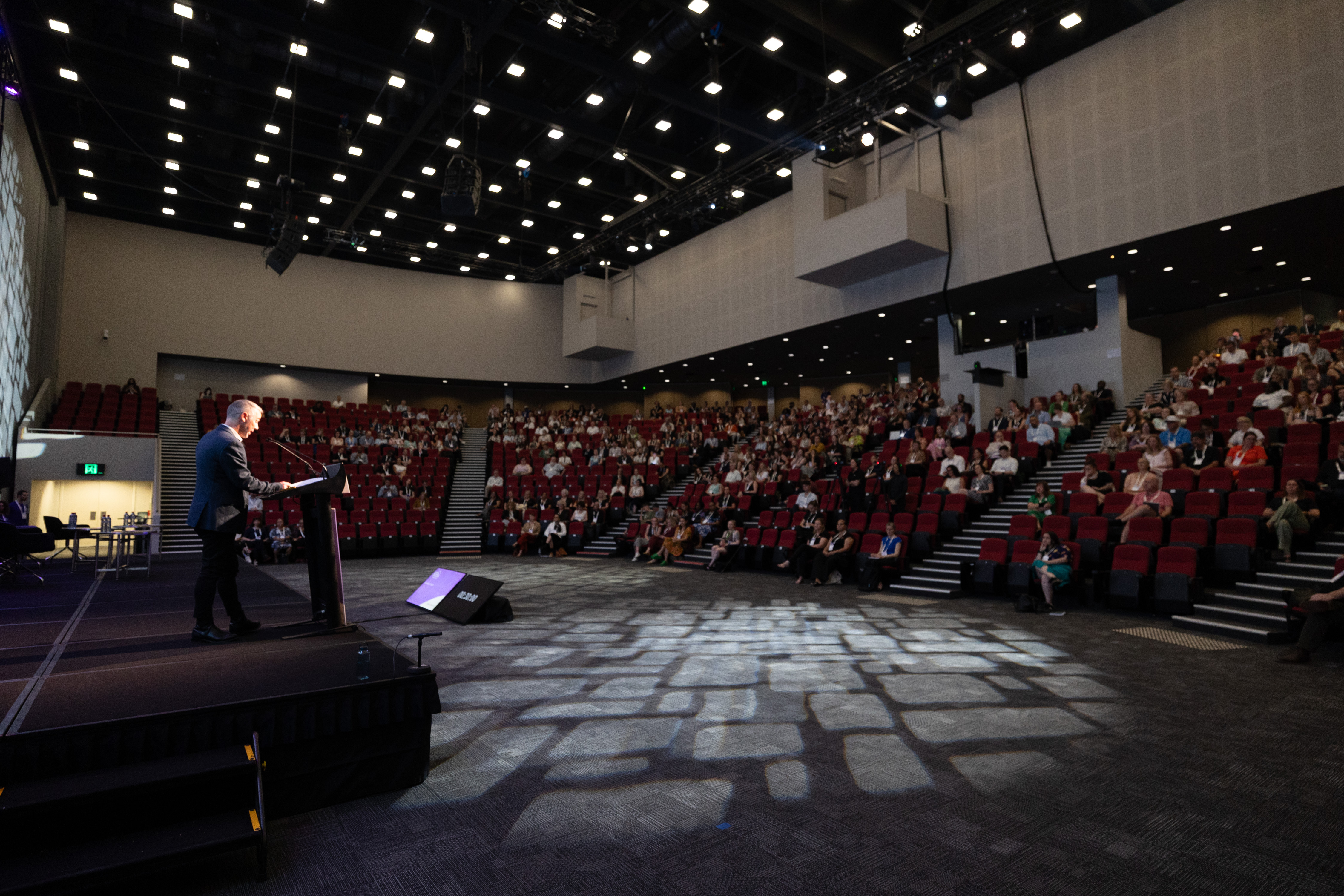 The panel explored how reframing the homelessness policy conversation means listening with compassion and letting communities and people with lived experience shape responses.
AHURI hosted the conference with support from the Northern Territory Government and sponsor organisations.
The Australian Homelessness Conference will reconvene on the Gold Coast in 2028. View more information about AHURI events.
Conference attendees will be able to access presentations and videos from recorded sessions in the coming weeks, before they are shared publicly in early 2027.